 mfaisalbuttceo@gmail.com
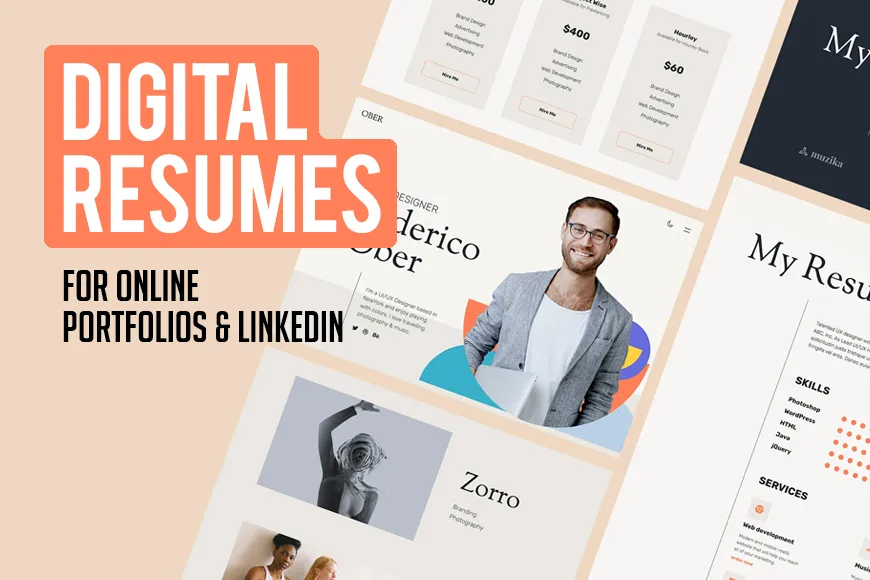
 The landscape of professional branding has shifted dramatically over the last decade. There was a time when a well-formatted PDF sent via email was the gold standard for job seekers. However, as we move through 2026, the “static” résumé is becoming a relic of the past. Today, professionals are expected to curate a living, breathing digital presence that showcases not just what they’ve done, but how they think and evolve.
This shift has given rise to the “Career Portfolio” model—a personalized hub where individuals control their own narrative. Yet, as many professionals rush to claim their space on the web, they encounter a frustrating technical roadblock: the “subdomain” dilemma.
The Architecture of a Modern Brand
When you decide to build a professional website, you are faced with a choice of architecture. Many free platforms offer a shared space, often resulting in a URL that feels secondary or “borrowed.” For those who take their personal branding seriously, the discovery of keine karriere-subdomain gefunden (no career subdomain found) can be a blessing in disguise. It signals a move away from fragmented, platform-dependent identities toward a unified, top-level domain strategy.
Relying on a subdomain of a large corporation—like —places your professional reputation in the hands of a third party. If that platform changes its terms of service or disappears, so does your digital history. A dedicated domain, however, acts as a permanent digital plot of land that you own and control.
Why “Ownership” is the Key to Career Longevity
In the current gig and creator economy, your “career” is no longer a linear path at a single company. It is a collection of projects, skills, and endorsements. To manage this effectively, you need a central command center.
1. Authority and Perception
A custom domain carries a level of prestige that a subdomain simply cannot match. It suggests that you are an established expert who invests in their own tools. Recruiters and headhunters are increasingly looking for “signals” of digital literacy; owning and managing your own web infrastructure is a loud, clear signal that you understand the modern tech landscape.
2. SEO and Discoverability
Search Engine Optimization (SEO) isn’t just for businesses; it’s for people. When a potential employer searches your name, you want the first result to be a site you control, not a random social media comment from five years ago. Direct domains rank higher and more reliably than subdomains, ensuring that your best work is what the world sees first.
3. Versatility of Content
A dedicated site allows you to host more than just a CV. You can integrate:
- Case Studies: Deep dives into specific problems you’ve solved.
- Video Introductions: A 30-second pitch that showcases your personality.
- Testimonial Carousels: Social proof from colleagues and clients.
Technical Literacy: The Non-Negotiable Skill
As we look at the requirements for high-level roles in 2026, “technical fluency” has moved from the “nice to have” column to the “mandatory” column. Understanding the basics of web hosting, domain management, and content delivery is no longer just for developers—it’s for marketers, project managers, and executives alike.
For those looking to sharpen these technical skills or explore the latest in digital infrastructure, resources like TechCrunch provide essential updates on the tools shaping our professional world. Staying informed about the backend of the internet helps you make better decisions about where and how to host your professional identity.
The Pitfalls of “Platform Dependence”
Many professionals make the mistake of building their entire brand on a single social network. While these platforms are excellent for networking, they are “rented land.” The algorithms change, visibility drops, and you are subject to the whims of a corporate entity.
By avoiding the trap of a shared subdomain and opting for a standalone site, you insulate yourself from these shifts. You are essentially building a “portable” brand. Whether you move from corporate life to consulting or from engineering to creative direction, your digital home remains the same. It evolves with you.
“Your brand is what people say about you when you’re not in the room. Your website is what tells them what to say.”
For a deeper dive into how the global job market is reacting to these digital shifts, The World Economic Forum often publishes reports on the future of work and the digital skills gap that are well worth a read for any forward-thinking professional.
Strategic Steps to Reclaim Your Narrative
If you find yourself stuck with an unprofessional URL or a confusing subdomain structure, it’s time to pivot. Here is a quick roadmap to digital sovereignty:
- Audit Your Name: Search for your name across various domain extensions (.com, .io, .me). If your primary name is taken, consider adding a professional modifier
- Consolidate Your Assets: Move your portfolio pieces, blog posts, and contact information under this one roof.
- Optimize for Mobile: In 2026, most recruiters will first view your profile on a mobile device. Ensure your “Career Hub” is responsive and fast.
- Update Your Linkage: Once your new site is live, update your email signature and social profiles. Ensure that “no career subdomain” is ever found associated with your name again—only your primary, professional domain.
Conclusion
The transition from a “worker” to a “brand” is a psychological shift as much as a technical one. By taking control of your digital architecture and moving away from the limitations of subdomains, you are declaring yourself a serious player in the global economy.
Don’t wait for a platform to give you space; create your own. In the end, the most valuable asset you own is your reputation. Make sure the digital environment it lives in is as professional and permanent as the skills you’ve spent years developing. Your career isn’t just a series of jobs—it’s a story. Make sure you’re the one holding the pen.

